
- WORKS
- PROJECTS 案例作品
- ARTS 藝術裝置
- PROFILE
- ABOUT US 關於我們
- AWARDS 獲獎列表
- PROCESS
- PRESS 媒體報導
- ARTICLES 設計文刊
- INFORMATION
- SERVICE 服務項目
- CONTACT 聯絡我們

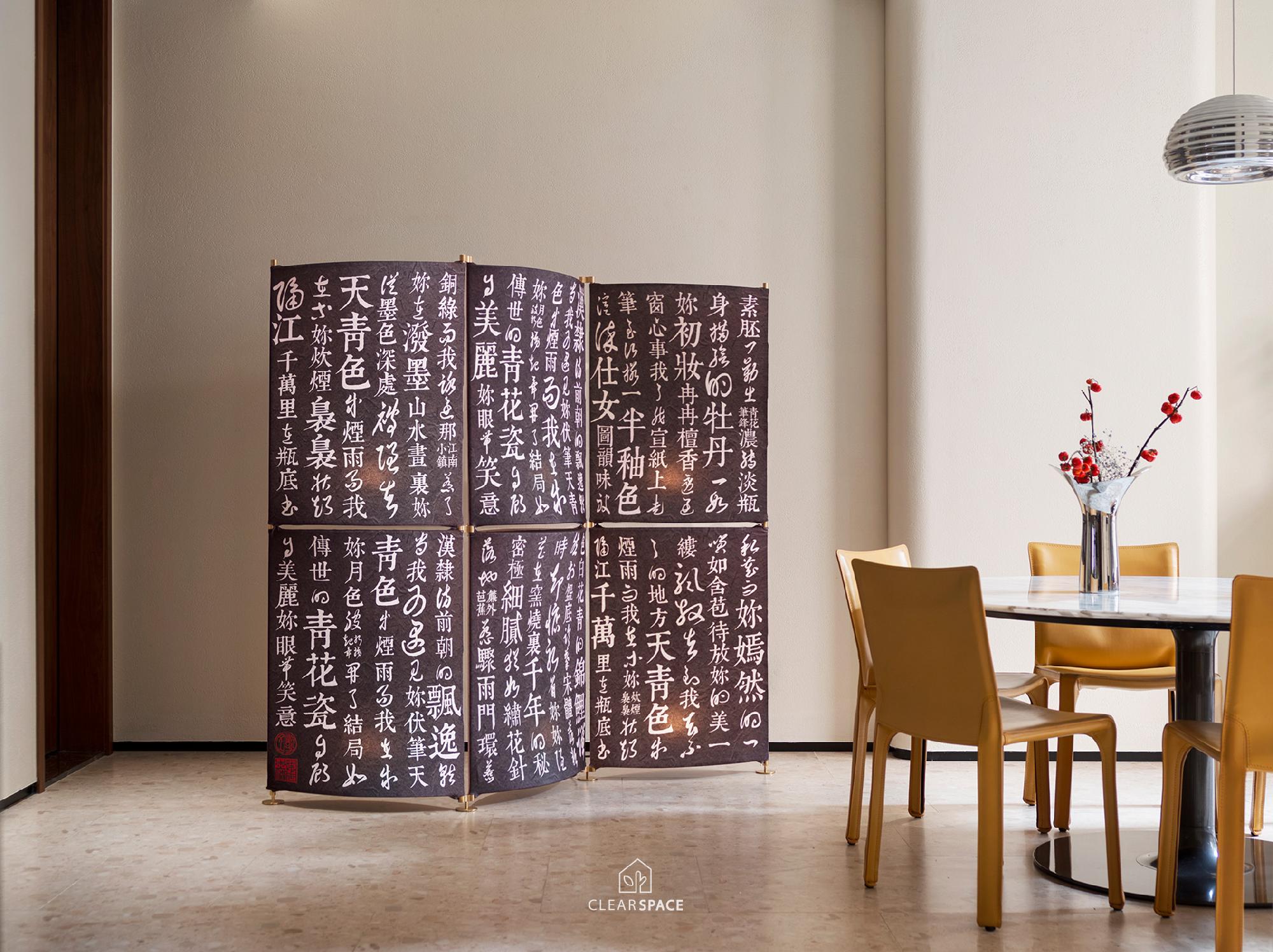

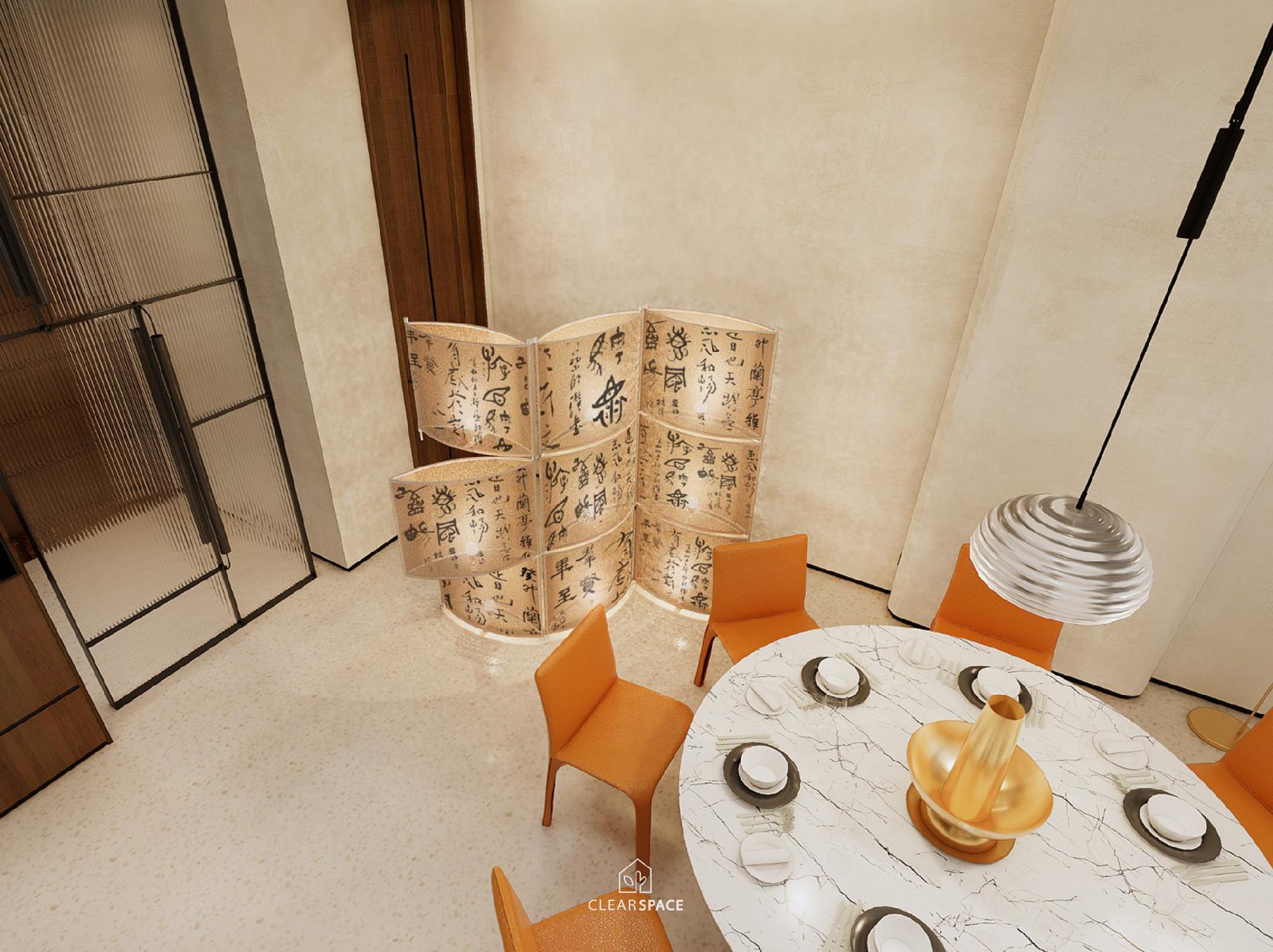
Lyrics Art Screen 青花詞屏
A Contemporary Artwork to Be Viewed, Passed Through, and Paused Within
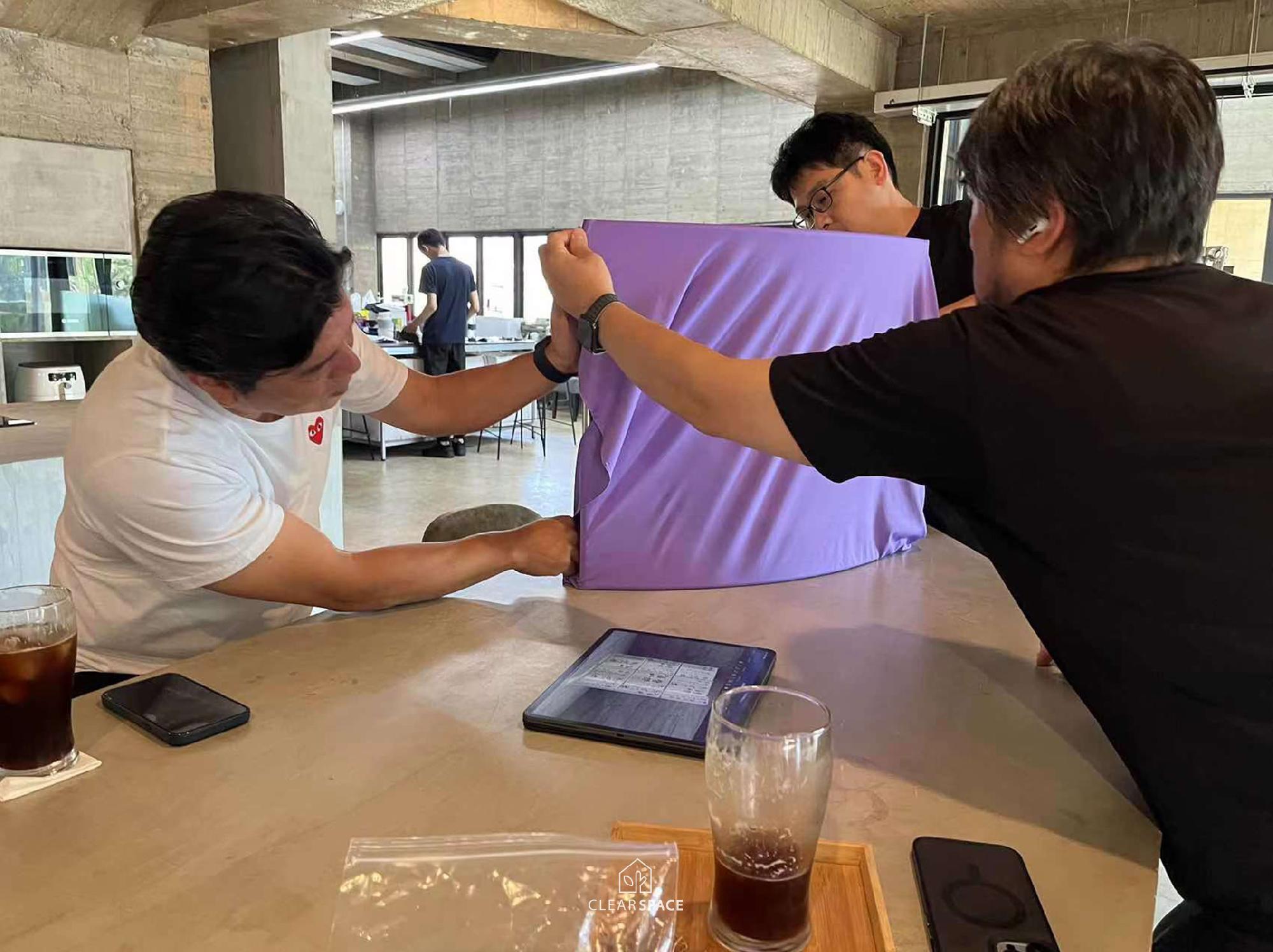
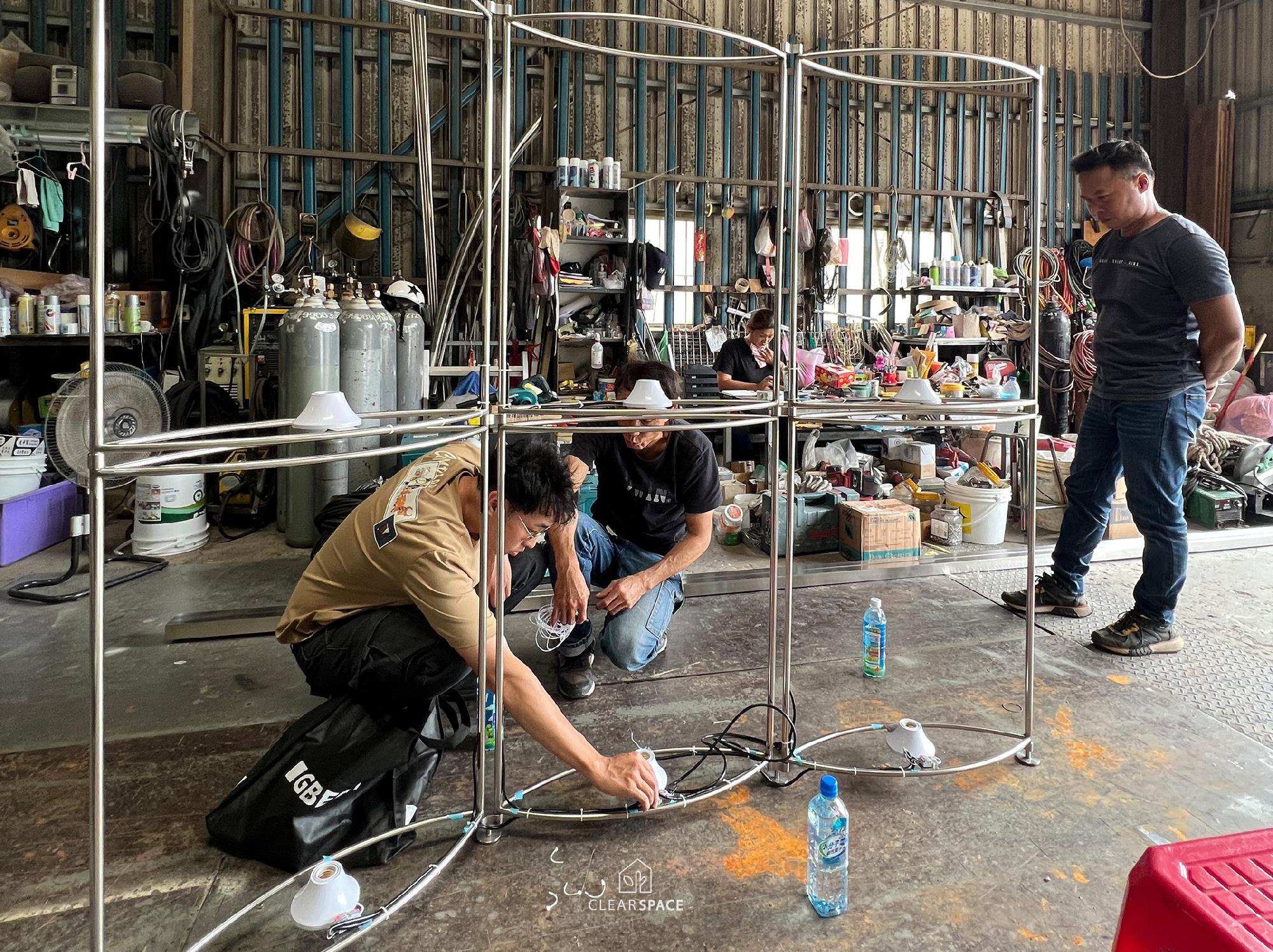
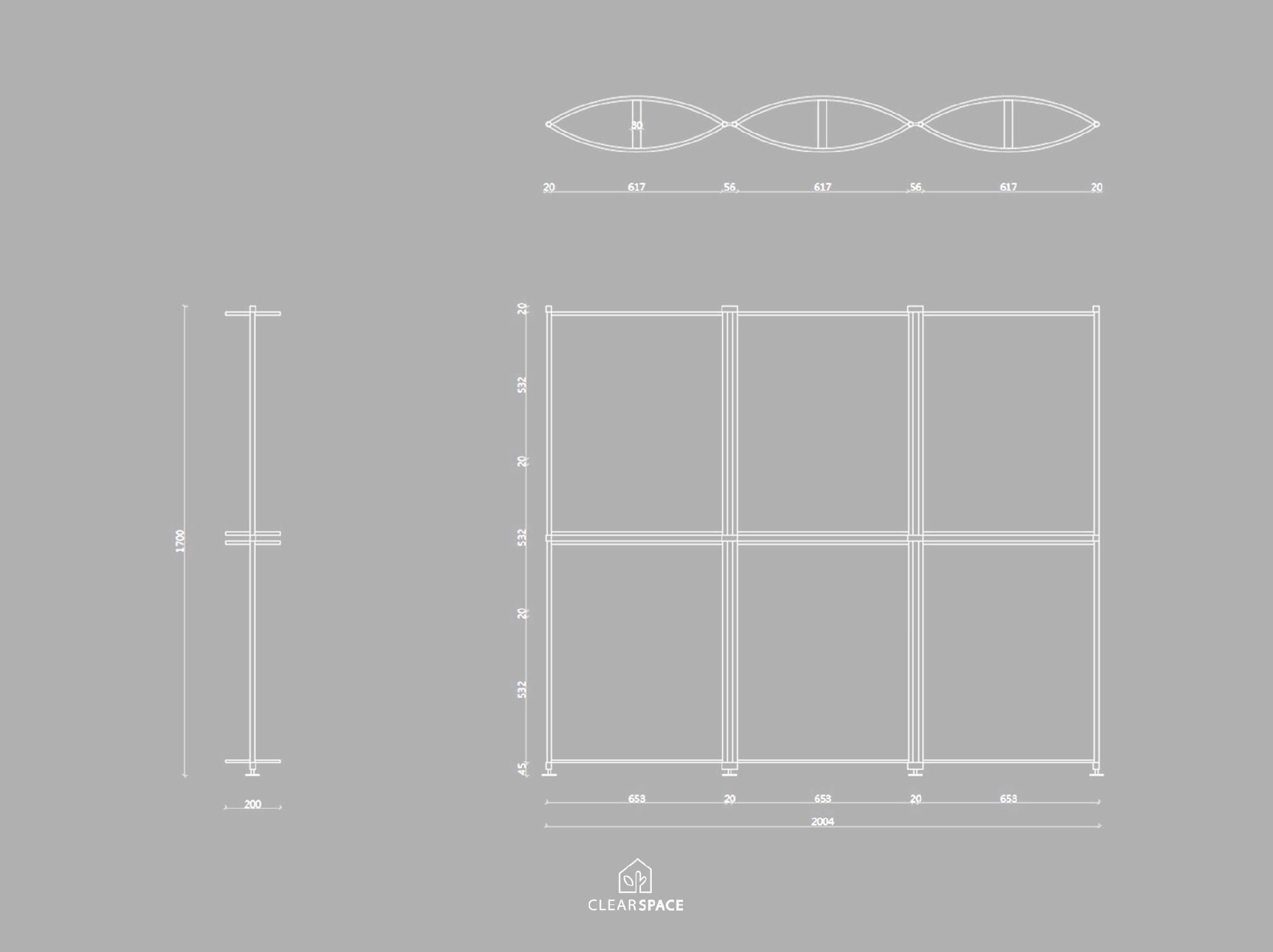
This screen installation takes the lyrics of Blue and White Porcelain by Vincent Fang as its textual core. Combined with the metal structure designed by the team, it transforms “text, craftsmanship, and space” through Chinese characters and Tangut script. The poetic quality that originally belonged to music and literature is translated into a visible landscape of Eastern aesthetics.
Since ancient times, screens have carried the functions of concealment, separation, and spatial transition. This project continues that traditional spirit, yet redefines the screen not merely as furniture or decoration, but as a narrative medium within space. As viewers walk around the work, changes in angle, light, and distance reveal different densities of the written strokes, allowing the text to extend from a flat surface into three-dimensional space.
Through the convergence of popular music, traditional writing aesthetics, and contemporary structural design, Blue and White Porcelain can be heard, read, seen, and imagined.
被觀、穿越與停留的當代藝術
本件屏風藝術裝置以方文山授權的〈青花瓷〉歌詞為文本核心,結合青埕團隊所設計的金屬結構,將「文字、工藝、空間」以漢文與西夏文轉化,原本屬於聽覺與文學的詩意,成為一種可視化的東方美學風景。
屏風自古具有遮蔽、分隔與轉場的功能,本案延續其傳統精神,卻不只作為家具或裝飾,而是讓屏風成為空間中的敘事媒介。觀者在行走之間,會因角度、光線與距離不同,看見歌詞筆畫的疏密變化,也感受到文字從平面延伸至立體空間的層次,使作品同時具有古典氣韻與現代工業感。
整體作品透過流行音樂文本、傳統書寫美學與當代結構設計的交會,讓「詞」不只被聽見,也能被閱讀、被觸發想像,並成為一件承載東方詩意與現代設計精神的空間藝術裝置。
- Tranquil Pond 寧靜之池
- Geometric Light Rhythm 幾何光序
- Screen of Rivers and Mountains 江山之屏
- Whirlpool of Time 時光漩渦
- Floating Reflection 懸浮映景
- The Floating Bed 漂浮床
- The Acoustic Forest Light 靜音森光
- The Floating Kitchen 浮島之廚
- Beneath the Welded Light 焊光之下
- The Island of Gathering 圍聚之島
- A Timeline of Drainage 排水剖面
- The Moon Stone Bar 月石吧
| << | 1 2 3 4 5 | >> |


