
- WORKS
- PROJECTS 案例作品
- ARTS 藝術裝置
- PROFILE
- ABOUT US 關於我們
- AWARDS 獲獎列表
- PROCESS
- PRESS 媒體報導
- ARTICLES 設計文刊
- INFORMATION
- SERVICE 服務項目
- CONTACT 聯絡我們


Wildfire 燎原

Ashen Field: A Prairie Fire of Memory
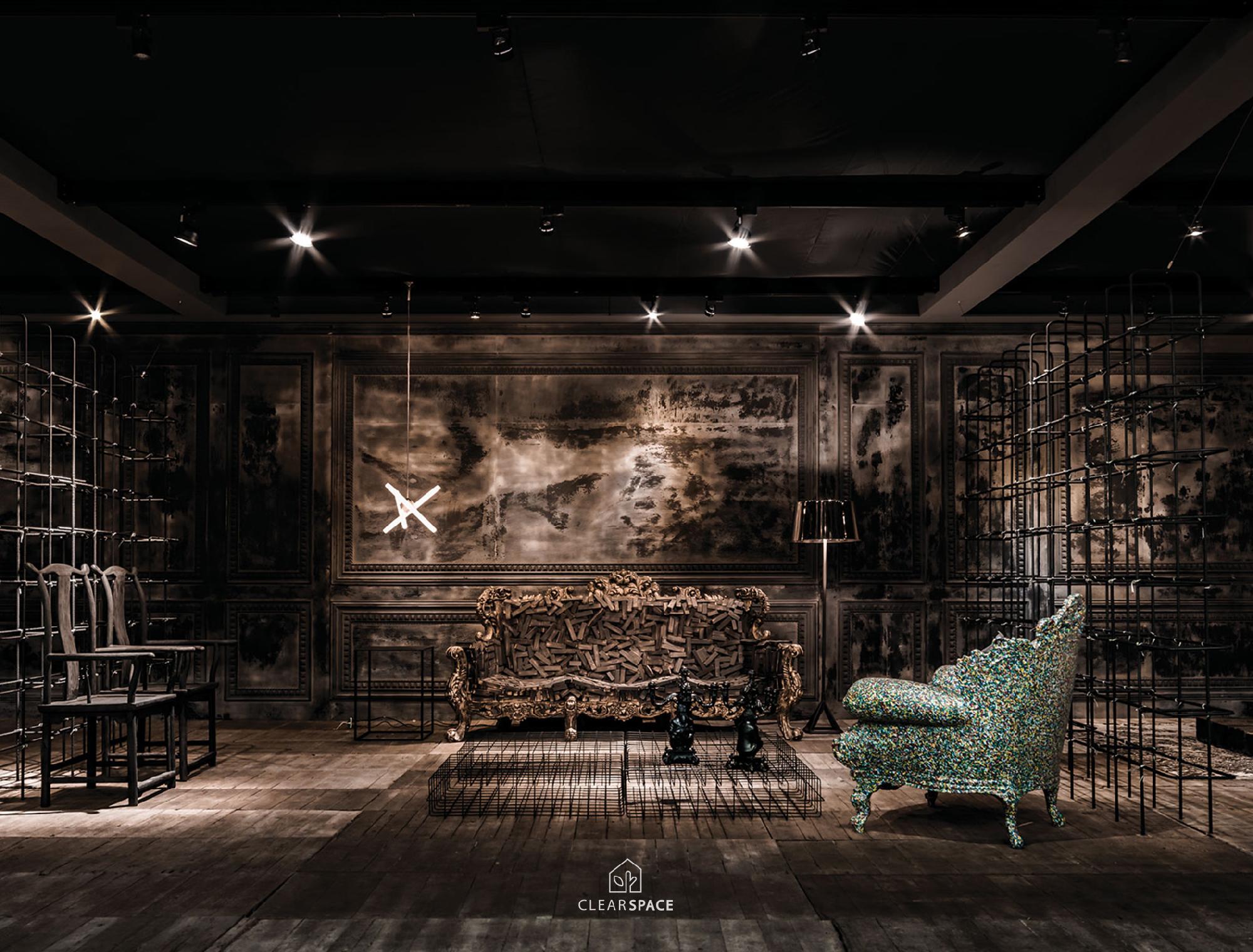
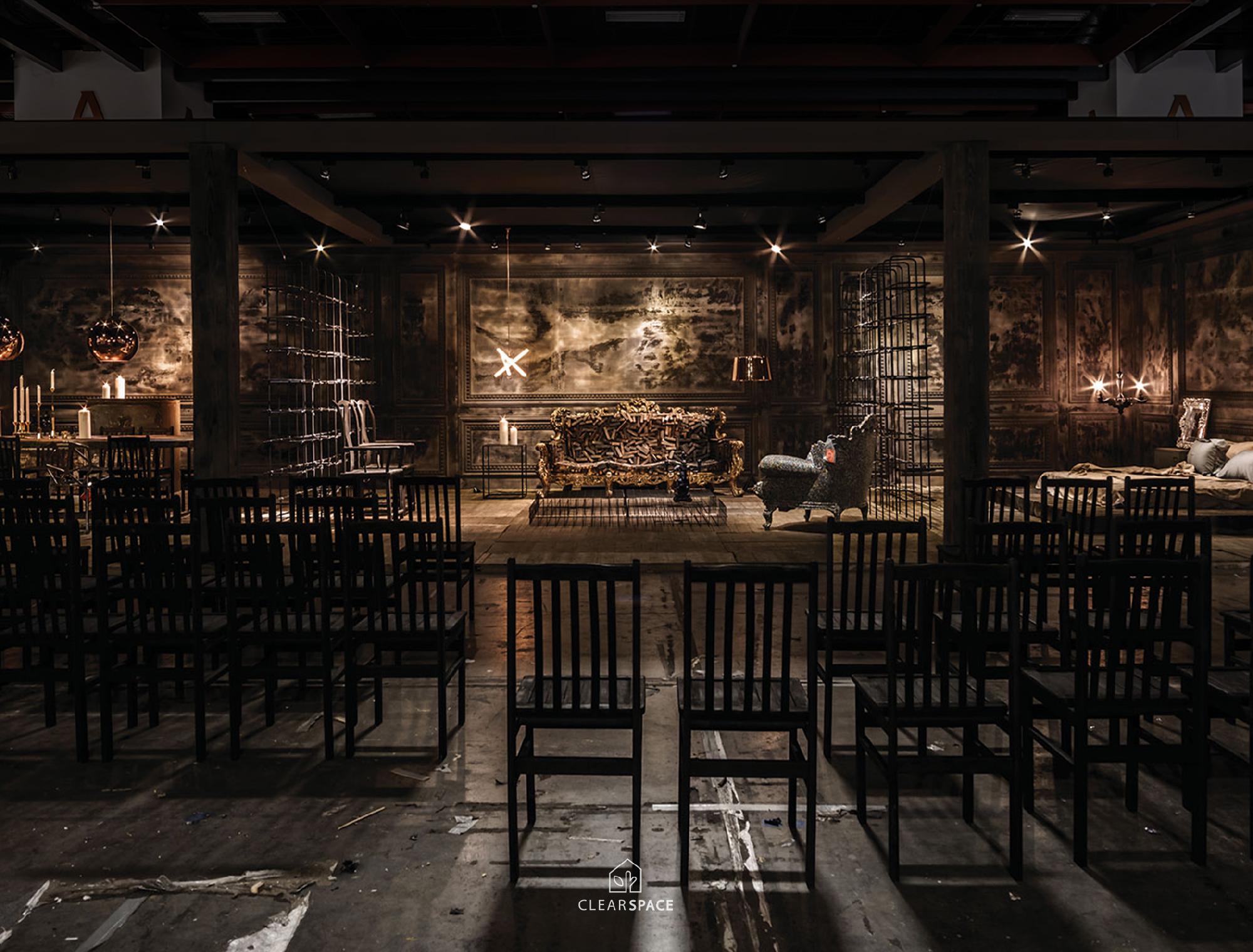
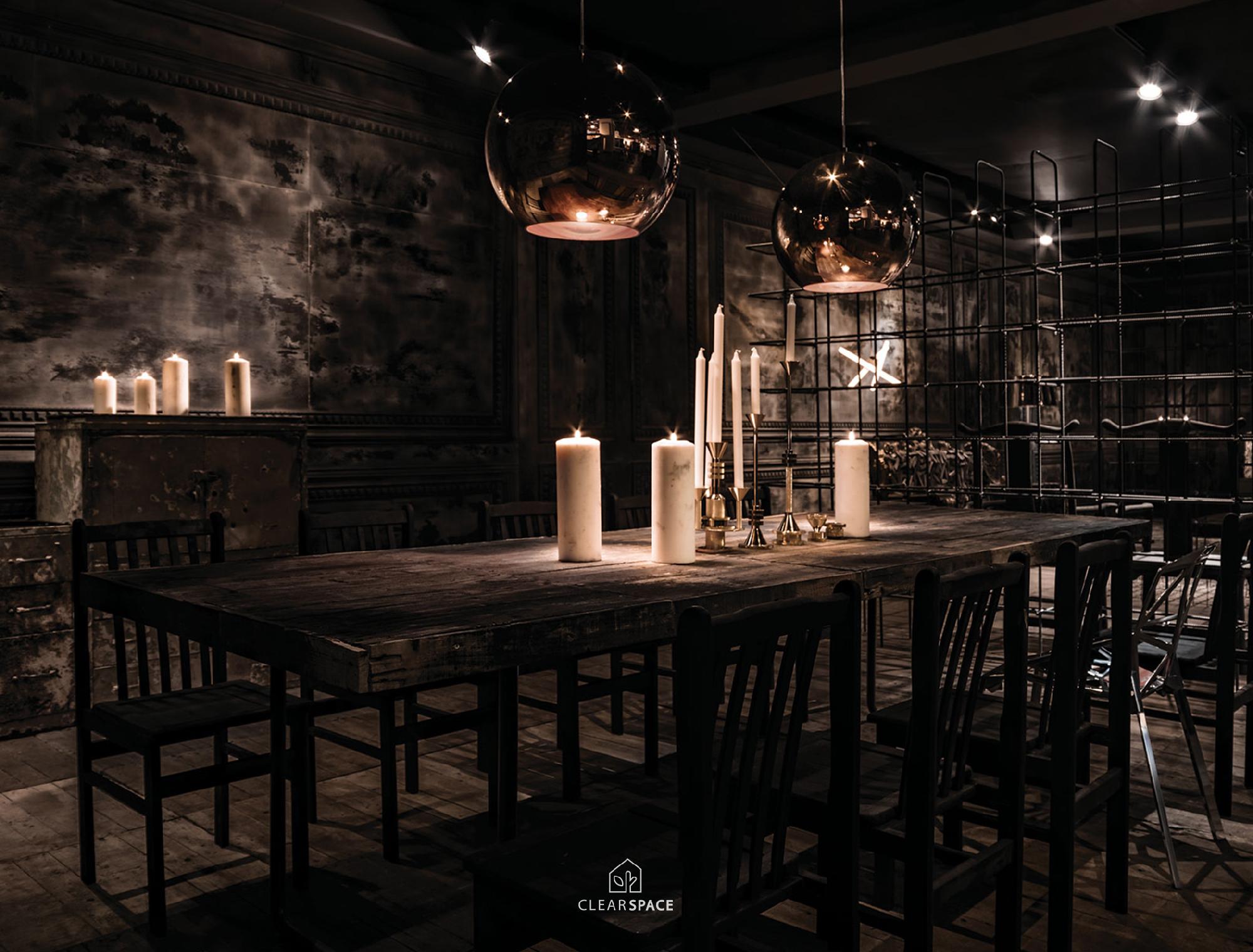
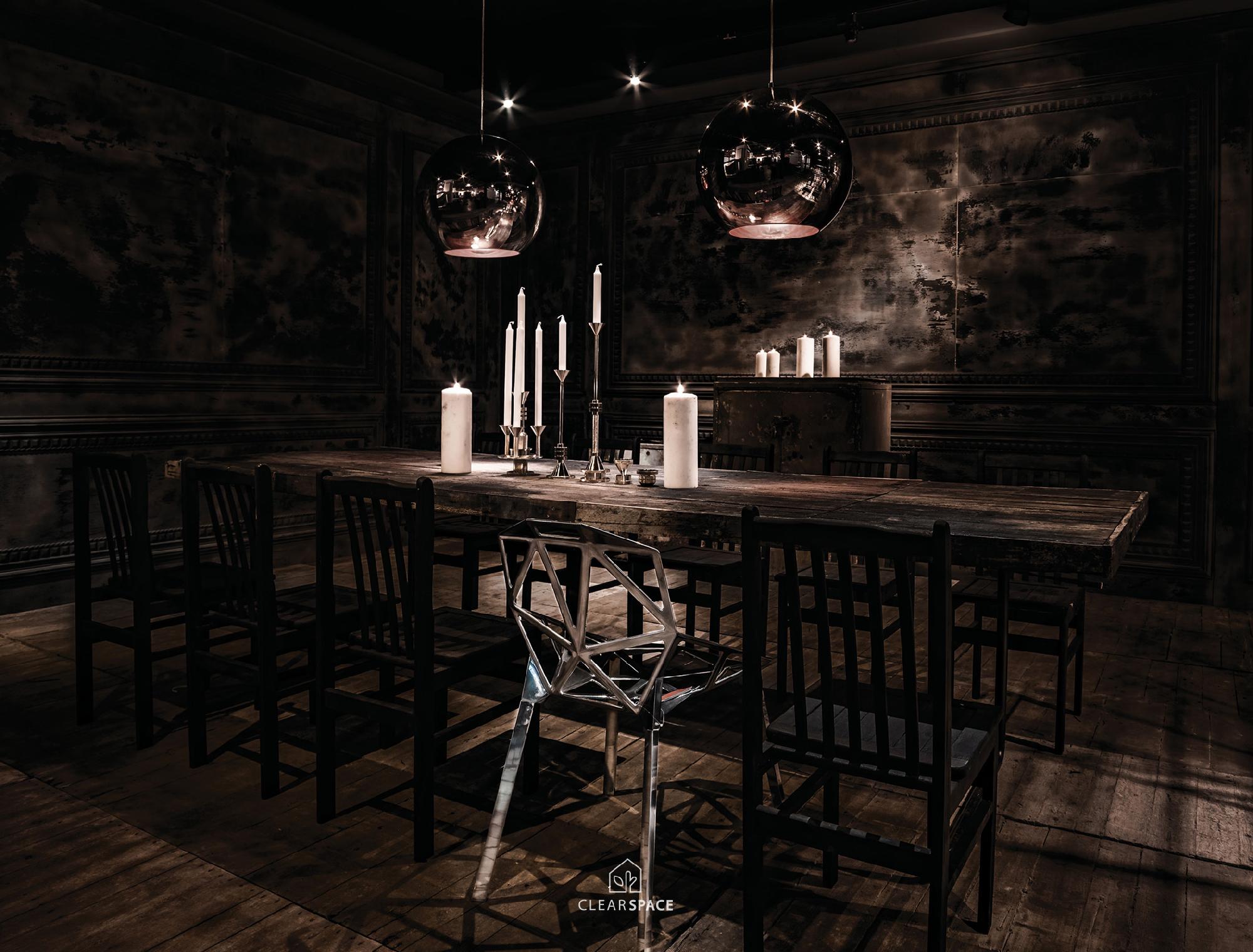
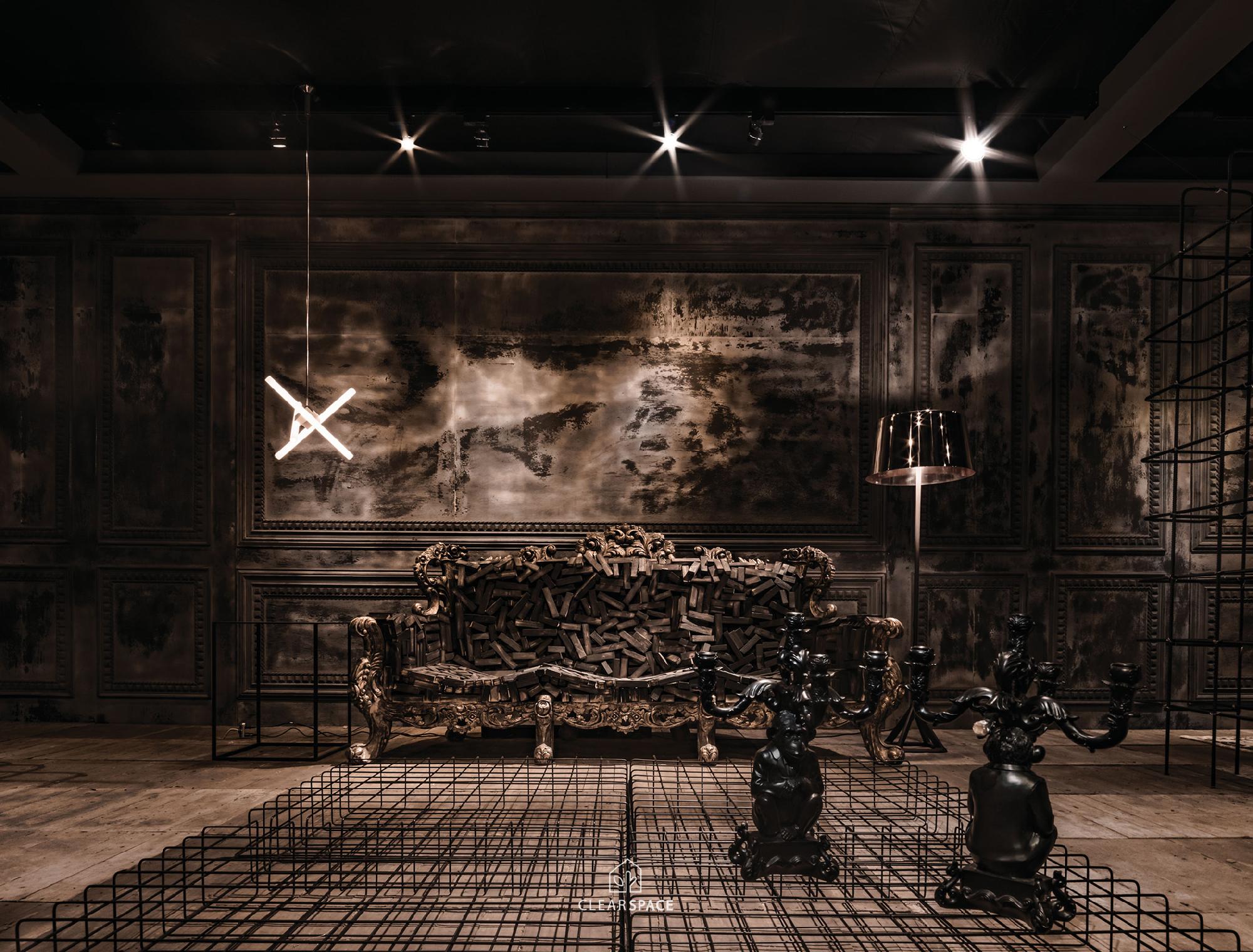
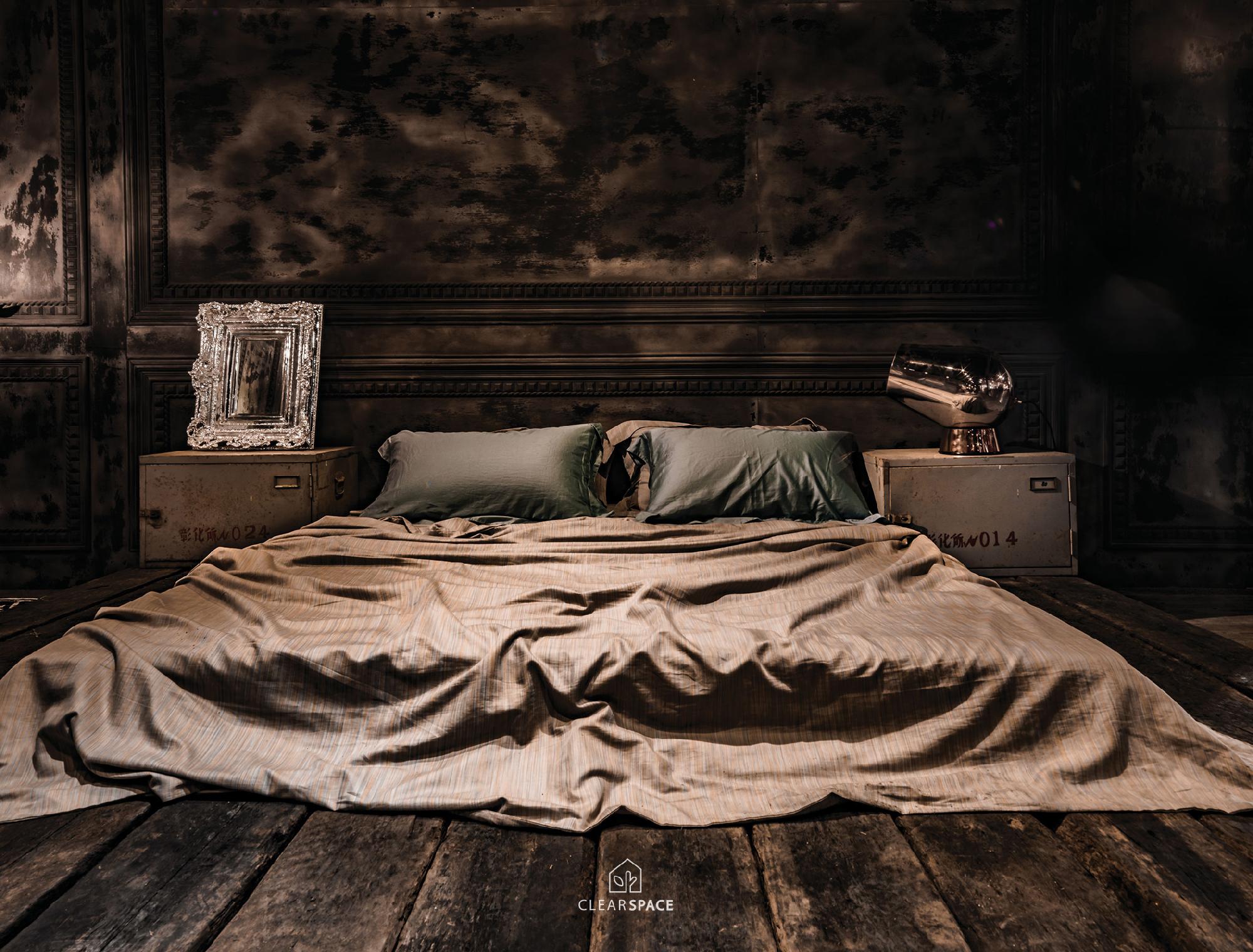
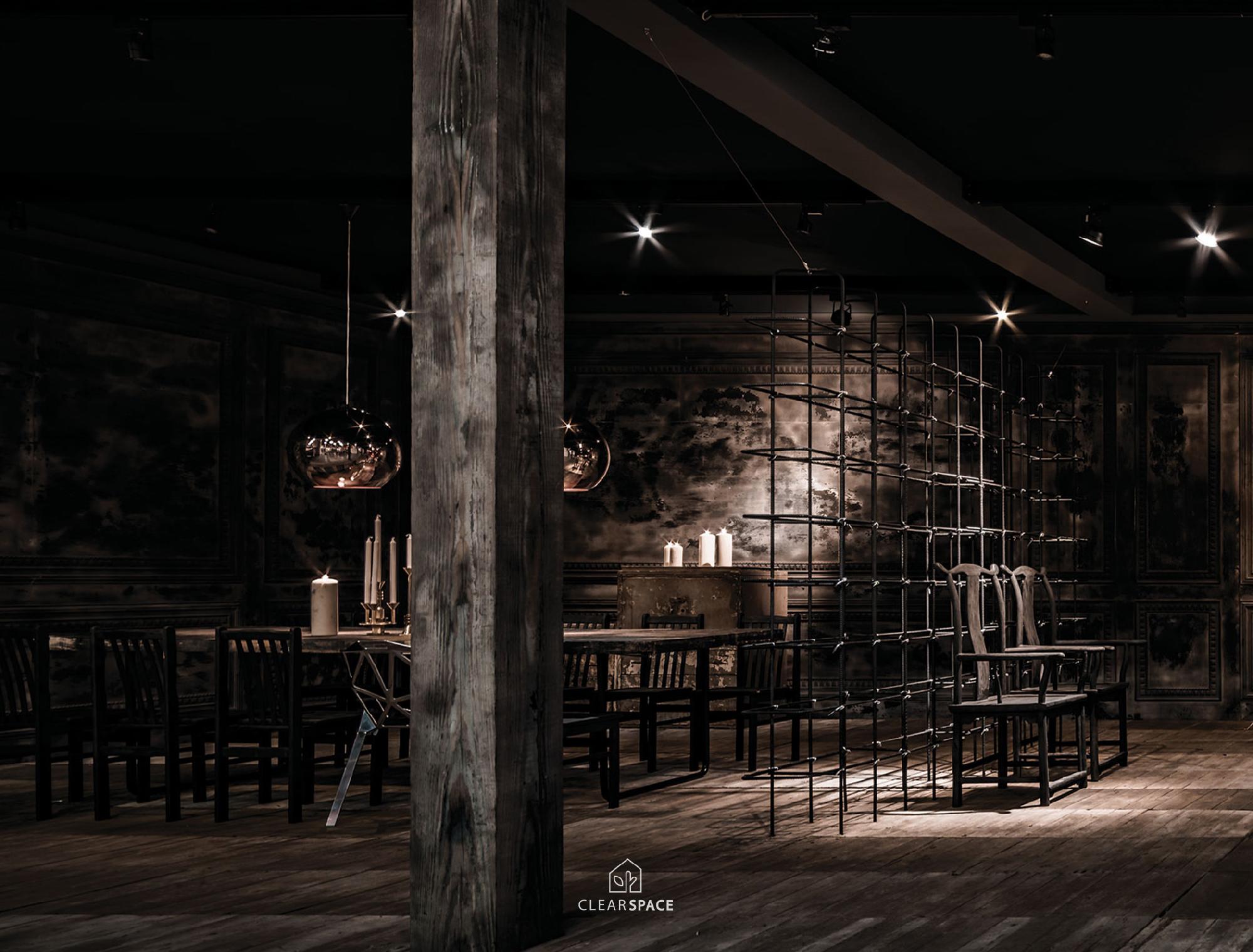
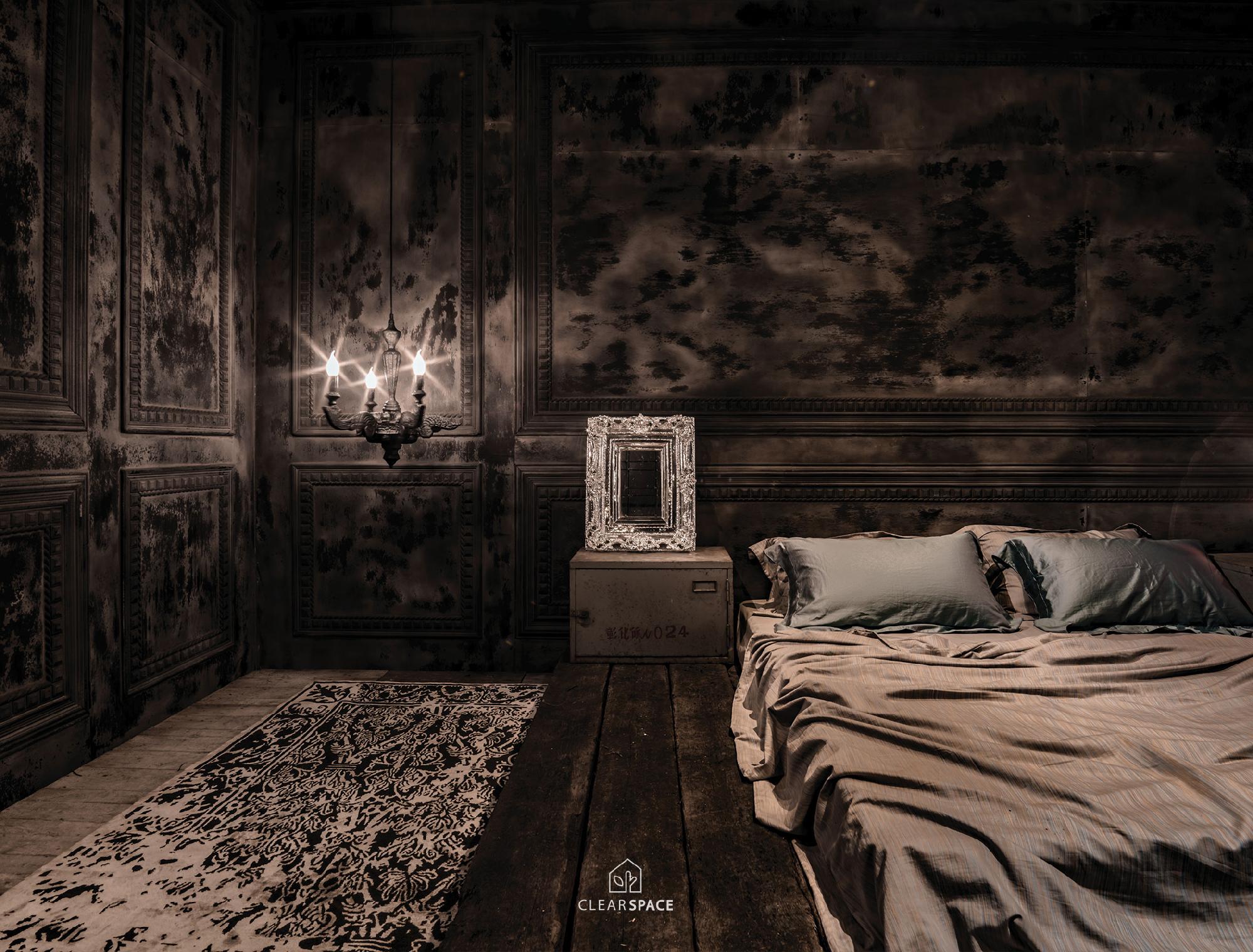
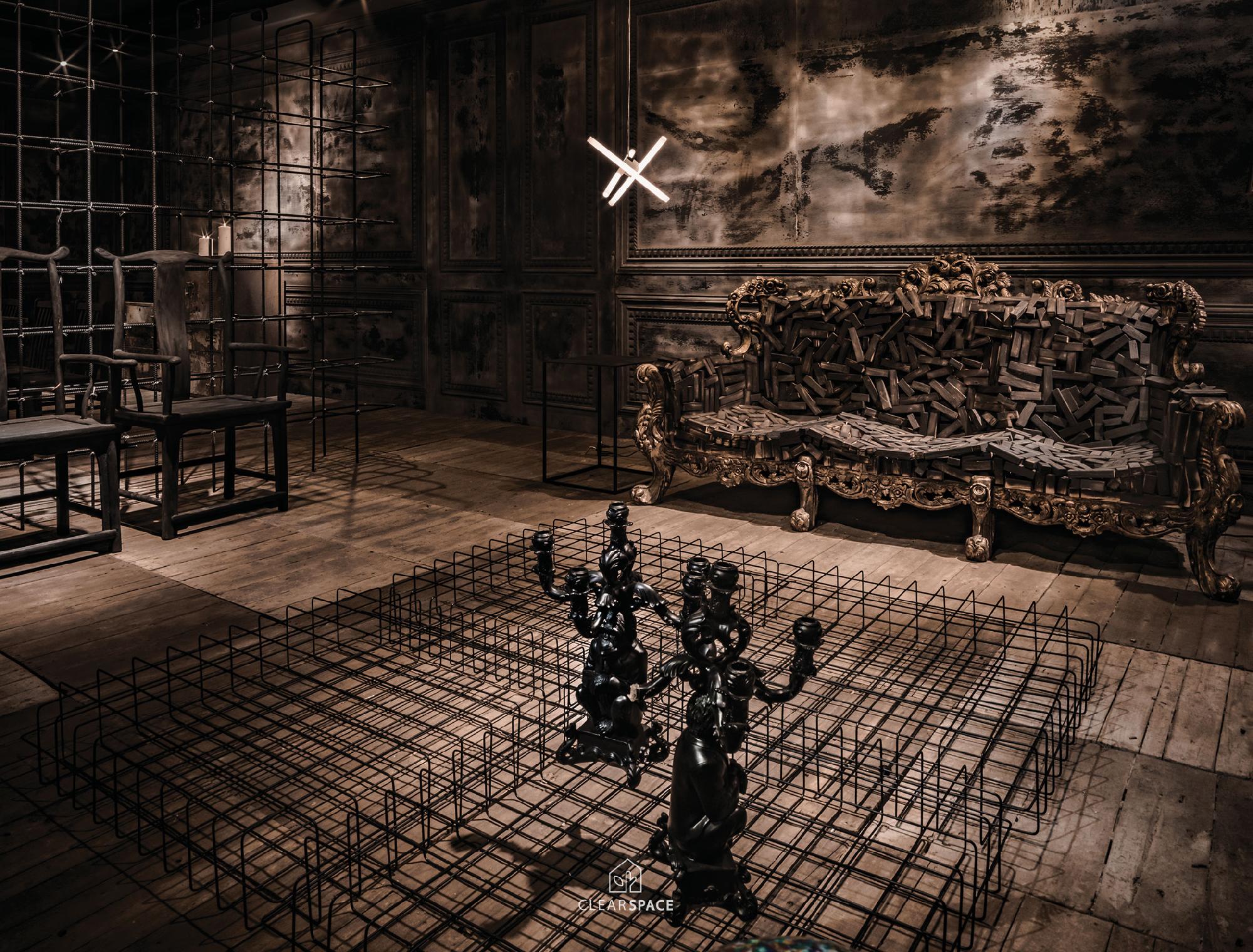
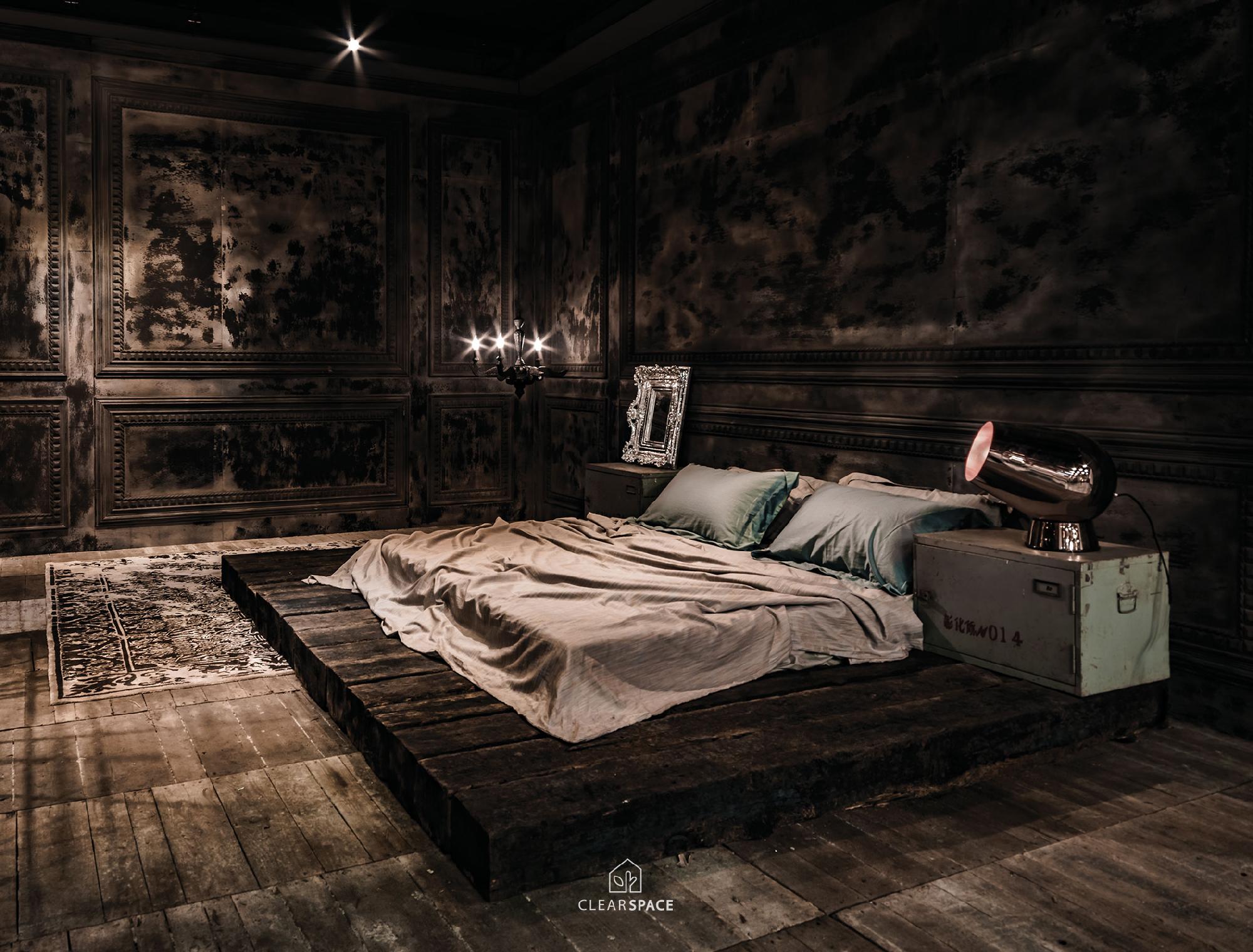
The 2016 Taiwan Design Week theme pavilion, Liaoyuan, uses the image of fire not only as destruction, but also as transformation. Based on the atmosphere shown in the photographs, the space appears like a room after a silent burn: dark, damaged, theatrical, and yet strangely alive. The design turns ashes, shadows, metal, wood, and antique objects into a spatial narrative about memory, civilization, and rebirth.
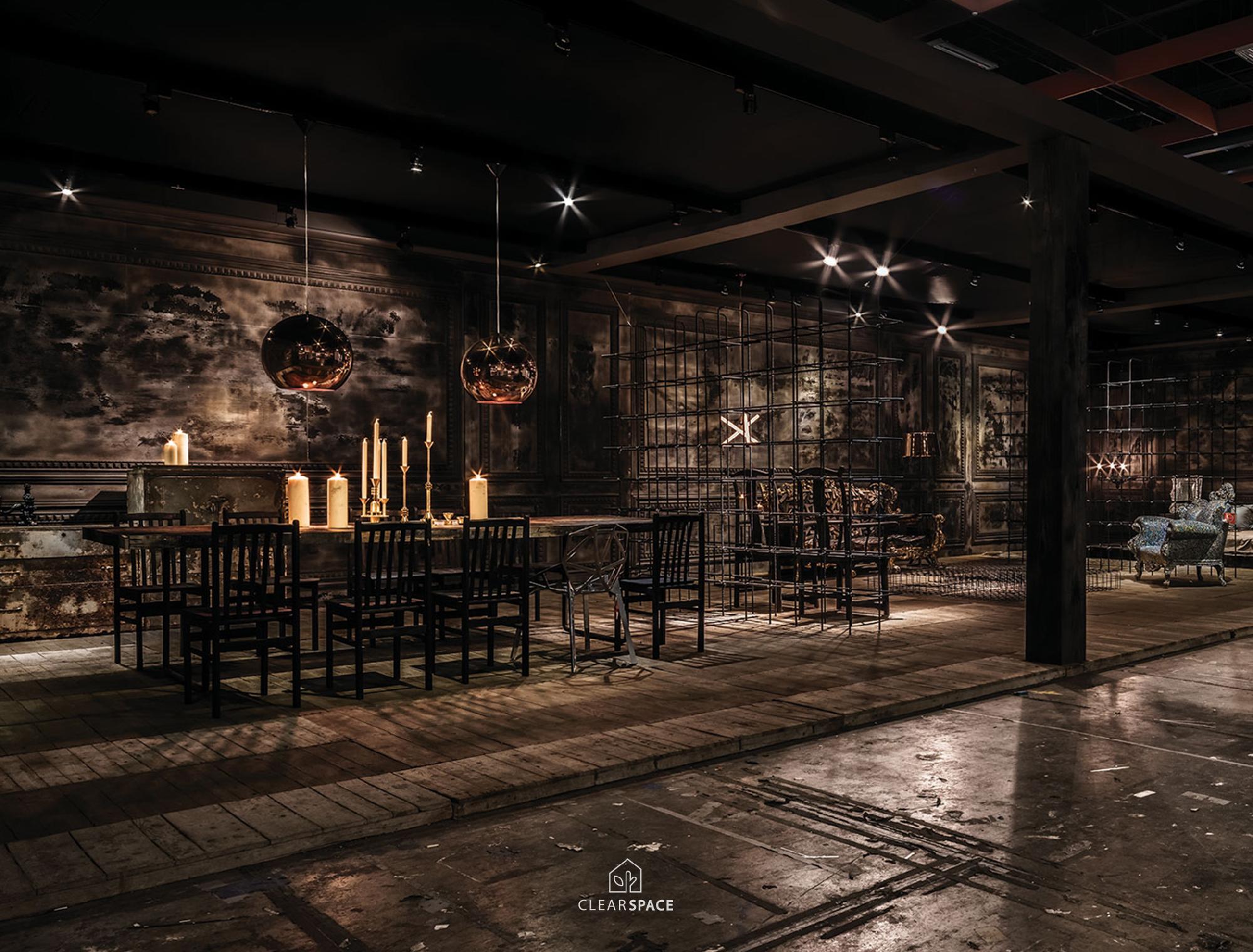
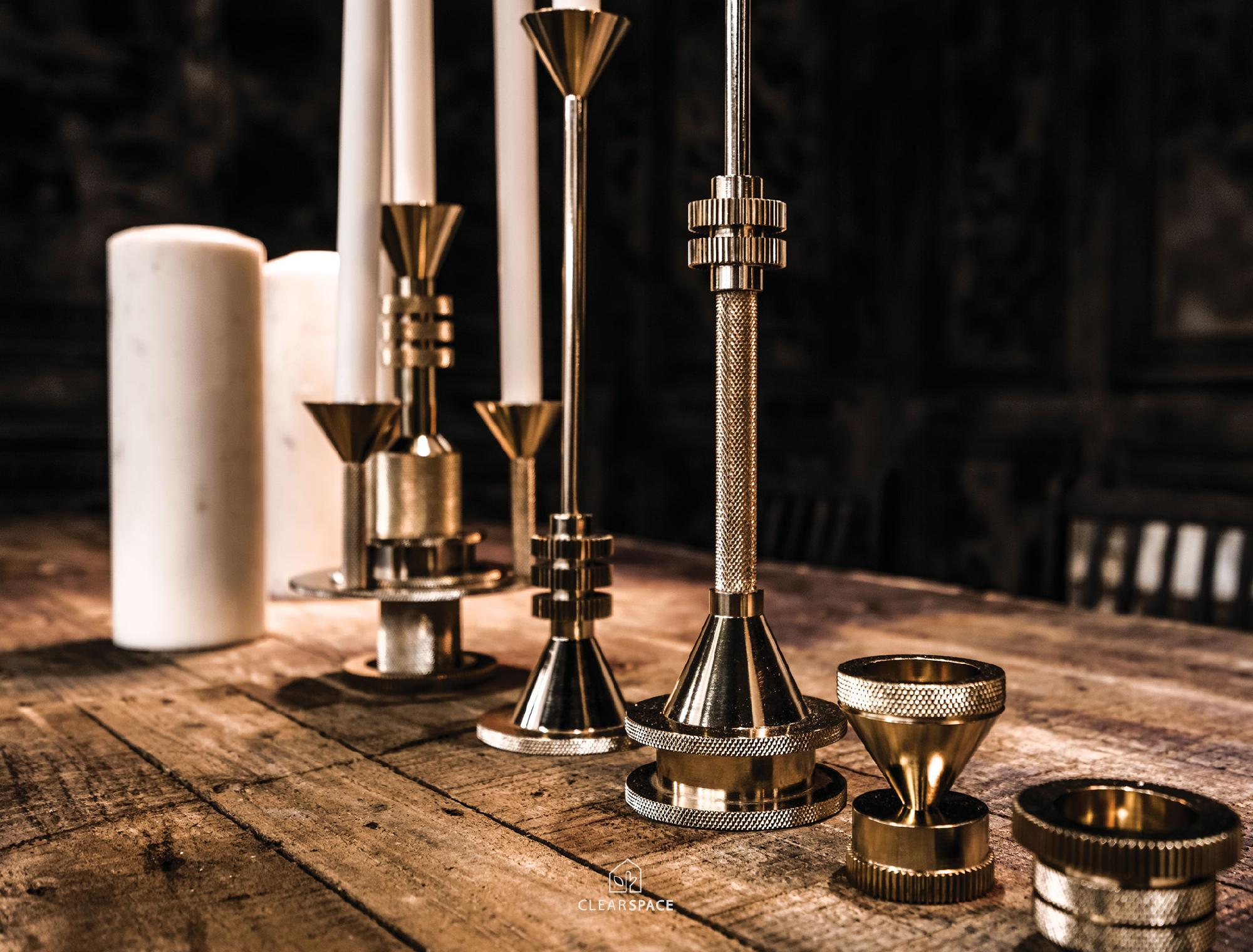
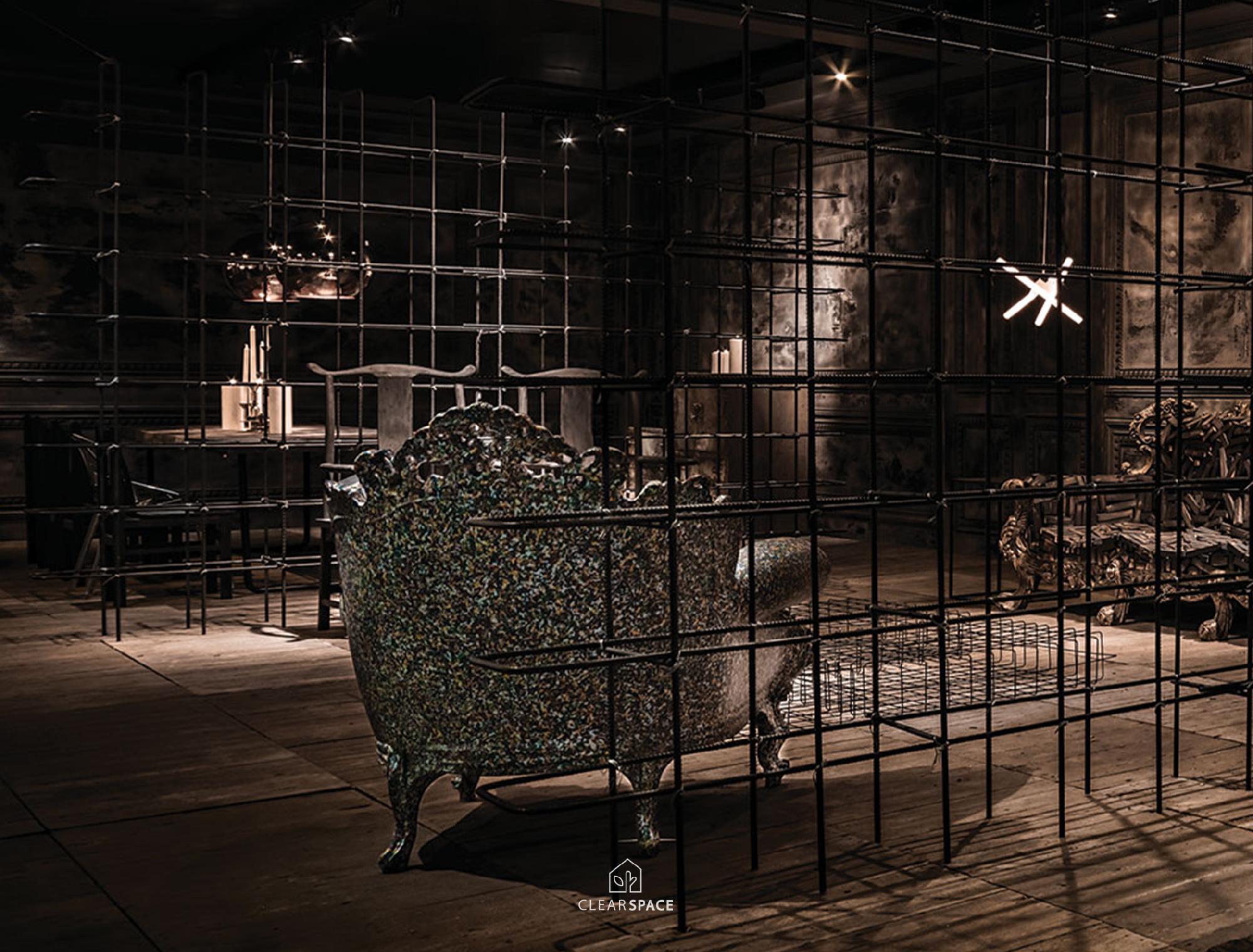
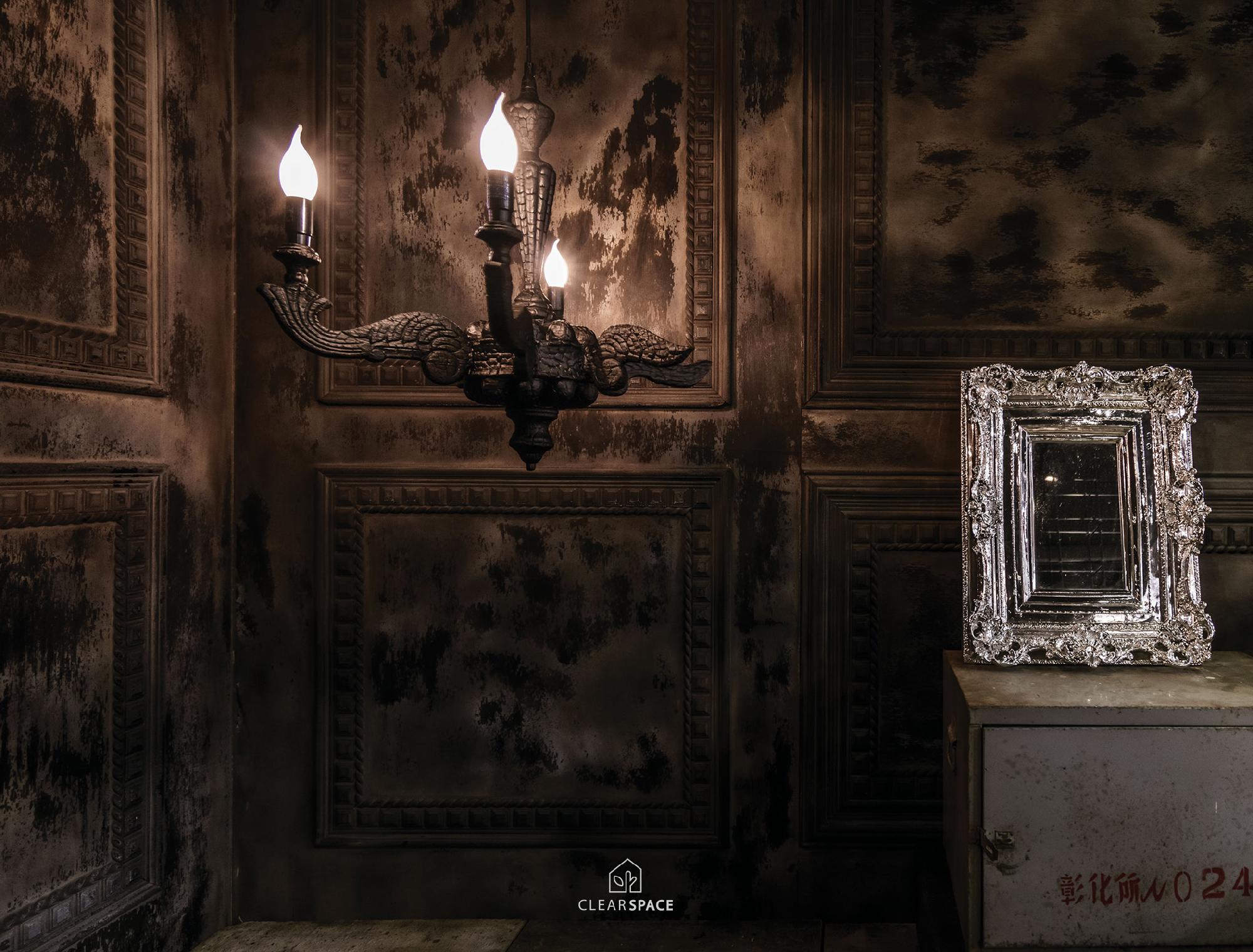
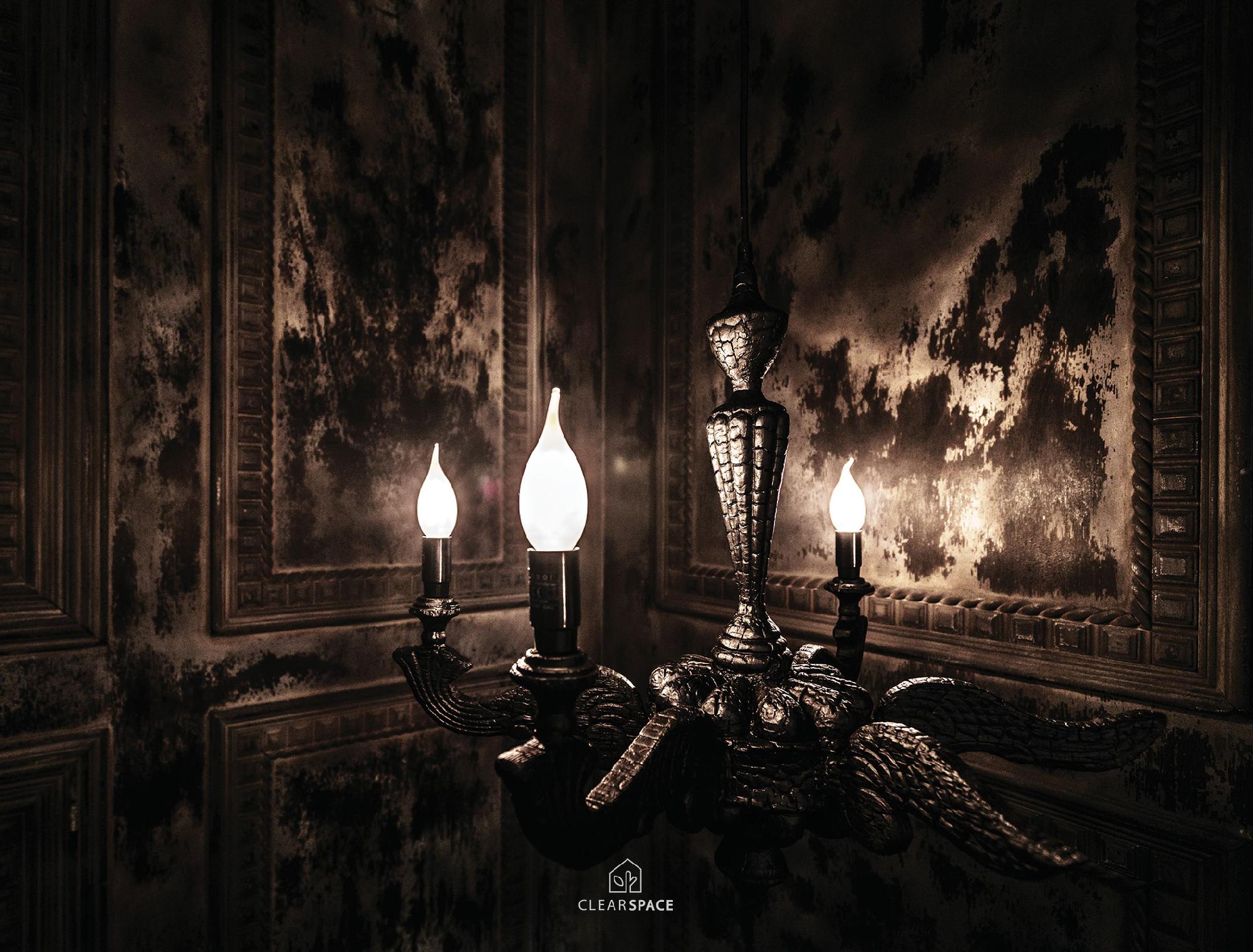
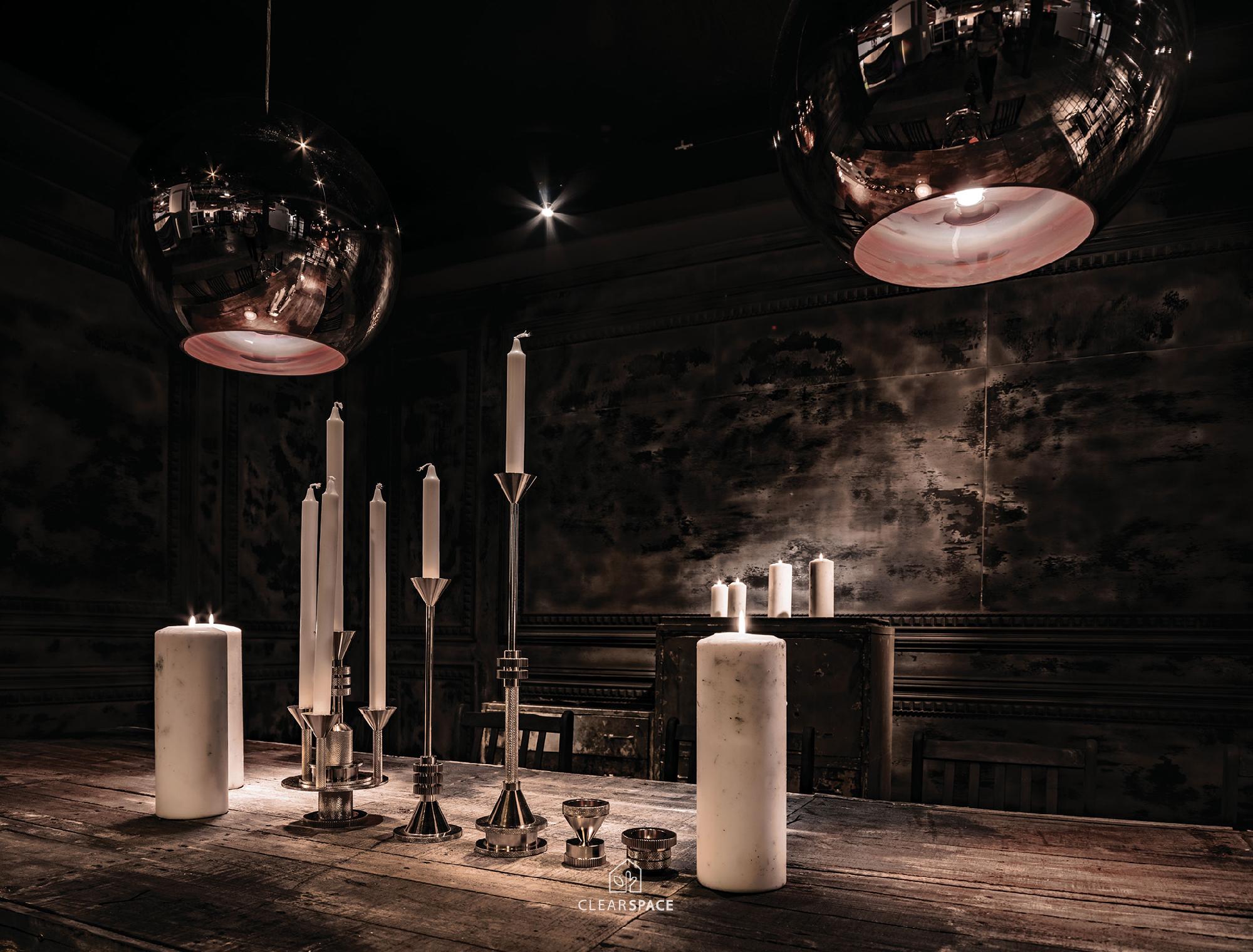
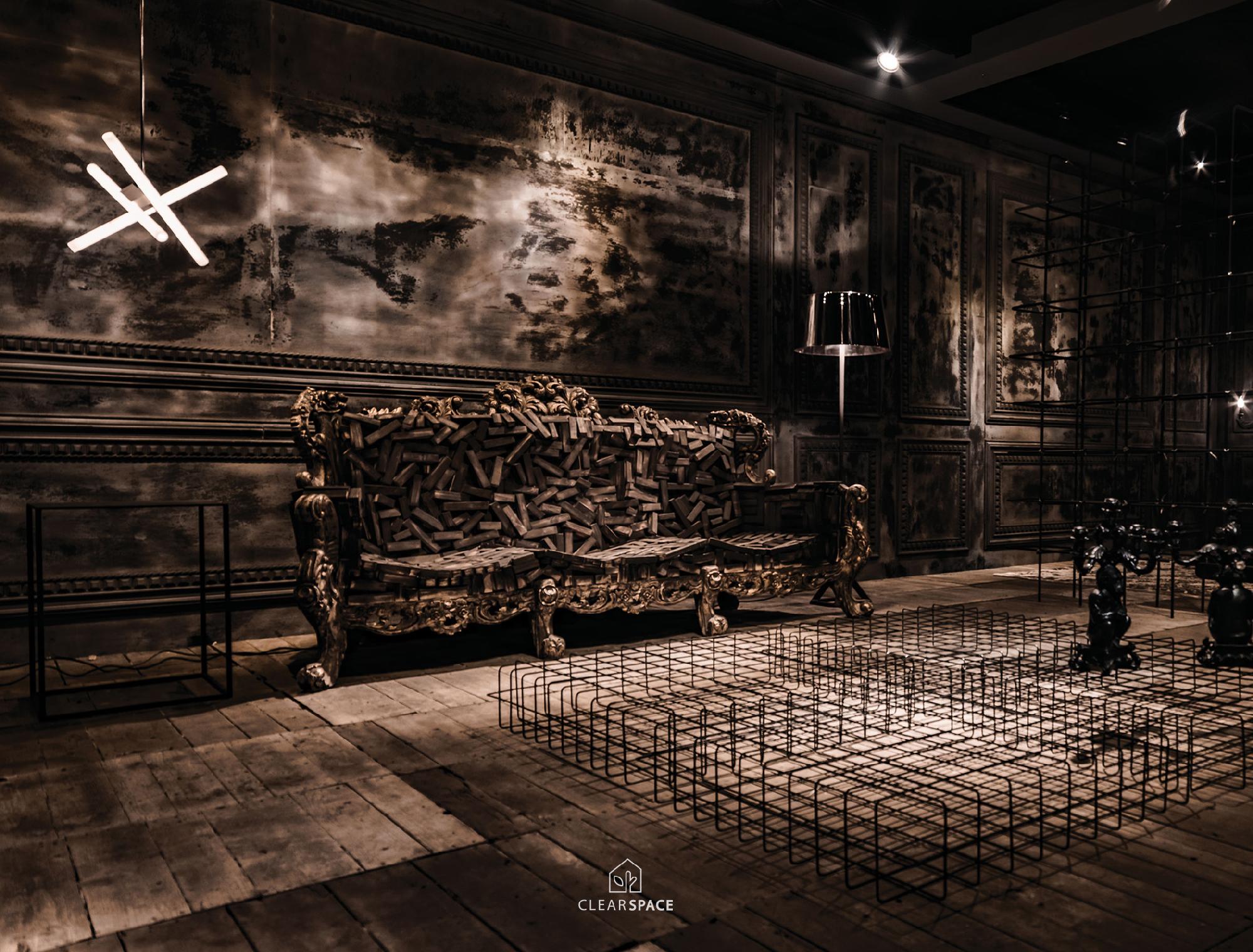
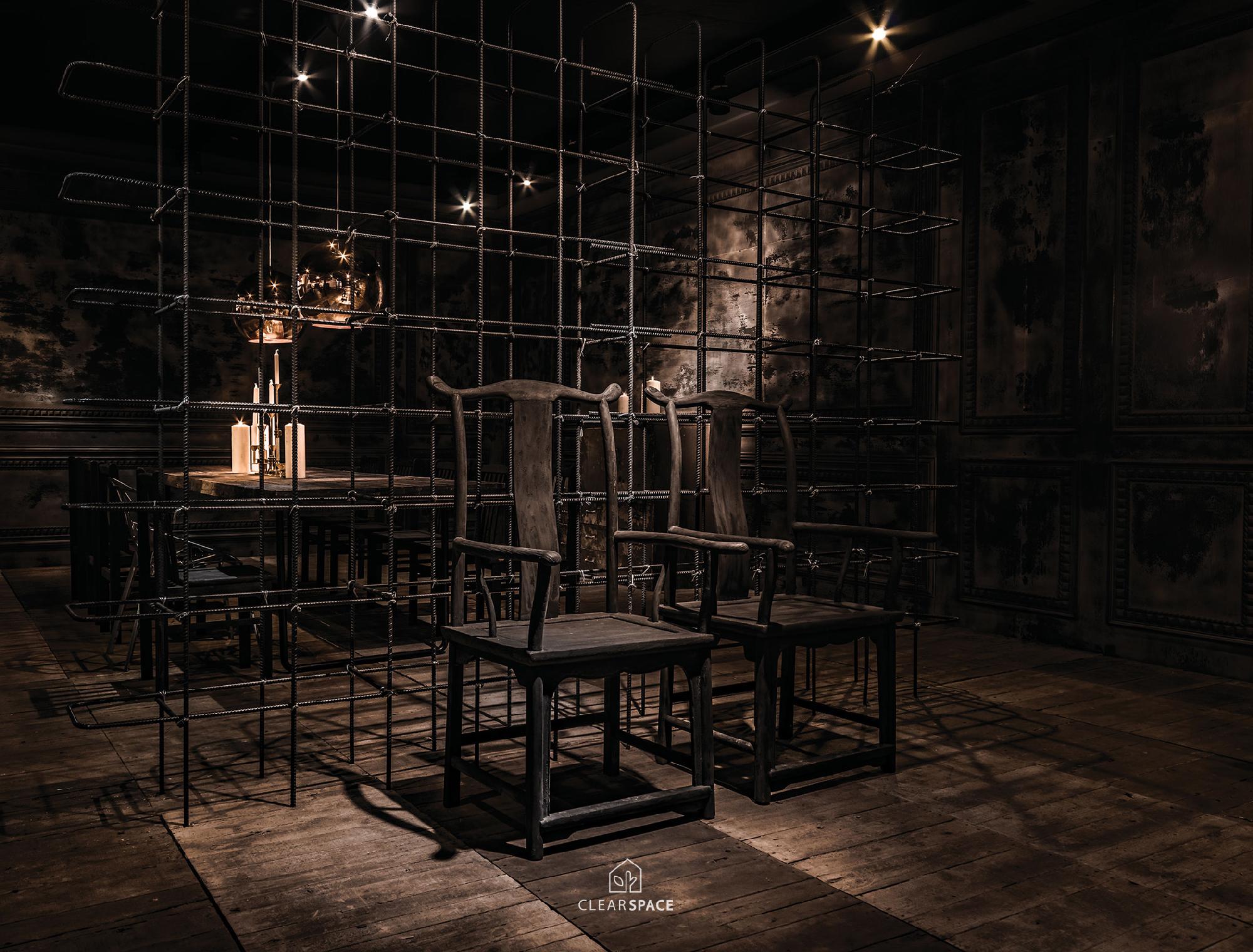
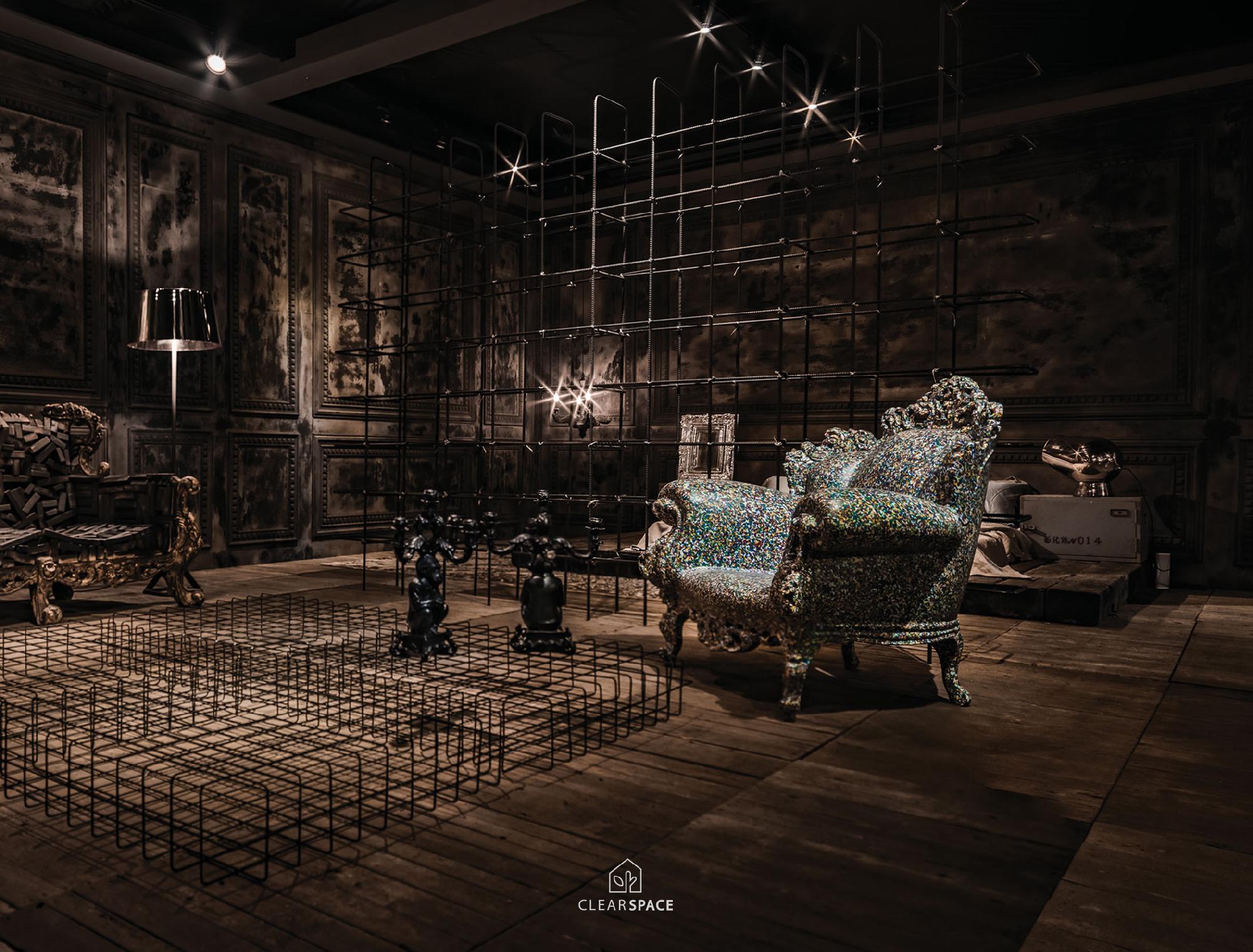
The mottled walls resemble smoke stains and burned surfaces, creating a strong sense of time and decay. Against this background, classical sofas, candle holders, mirrors, chandeliers, and dining furniture are no longer simply decorative objects. They become fragments of a past world, suspended between luxury and ruin. The black steel grids and rebar structures act like architectural skeletons. They divide the space, frame the furniture, and suggest a world that has been damaged but not completely collapsed.
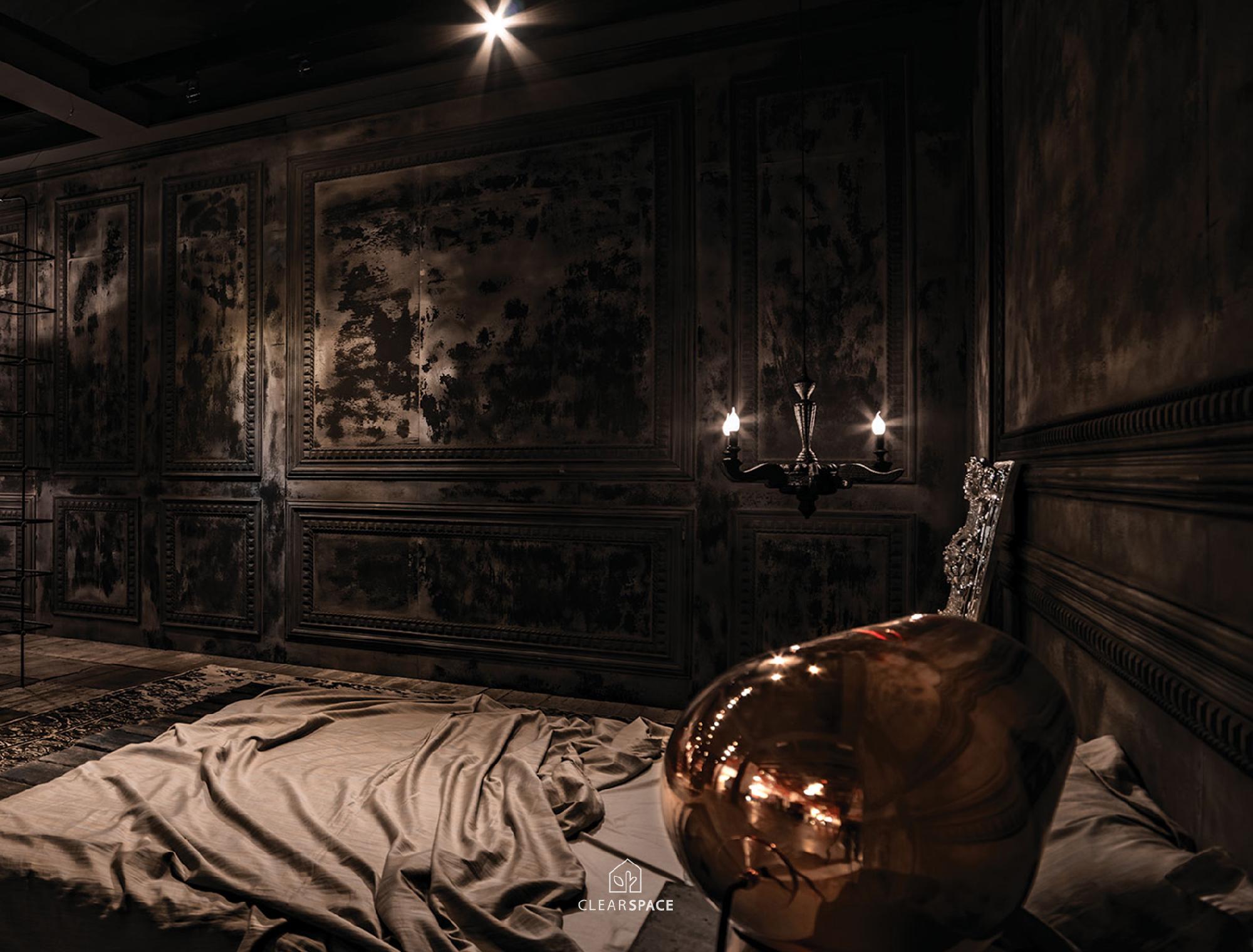
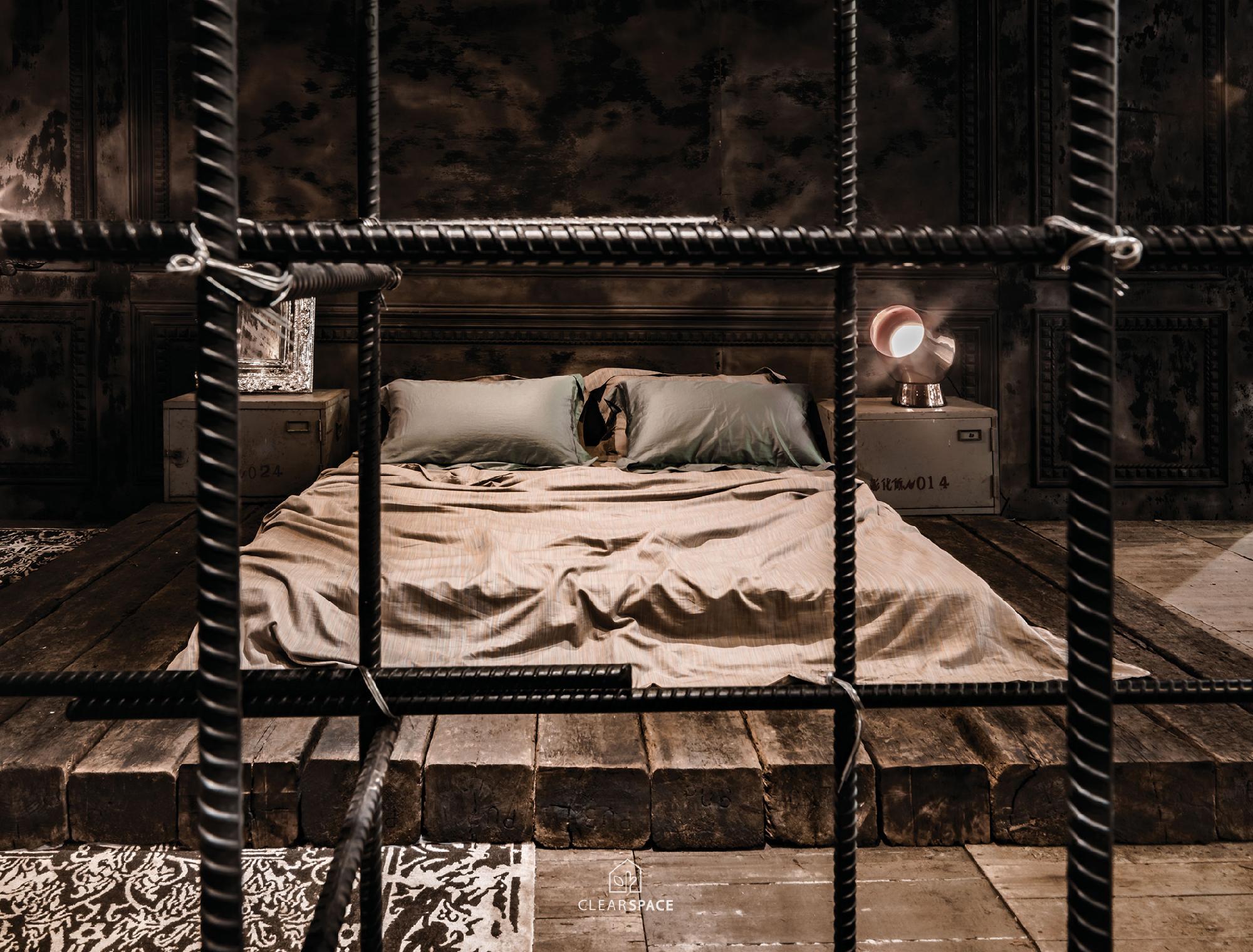
The bedroom, dining area, and living room settings also make the installation feel human. They suggest that life once happened here, and perhaps may happen again. This makes the pavilion more than a visual display; it becomes an immersive stage where visitors can sense the relationship between destruction and renewal.
灰燼之境・燃起之星
2016台灣設計週主題館「燎原」,與其他四位設計師共同創作,以火焰燃盡後的空間狀態作為敘事起點。整體場域並非單純表現破敗,而是將「燃燒」轉化為一種重新觀看設計的方式:當華麗、秩序與日常被火光洗禮後,留下的是材料的肌理、結構的骨架,以及文明曾經存在的痕跡。
空間中大量使用深色、斑駁、焦痕般的牆面處理,搭配木地板、金屬網架、鐵件格柵與古典家具,形成強烈的時間感。華麗的沙發、燭台、鏡框與吊燈,原本象徵著裝飾與階級,但在幽暗光線與粗獷結構的包圍下,轉變成一種被時代燃燒後的殘影。黑色鋼筋框架如同未完成的建築骨骼,也像火後仍未倒塌的秩序,將觀者包圍在介於廢墟、劇場與居所之間的場景。
「燎原」的精神並不是毀滅,而是從毀滅中引出新的生命力。微弱燭光、金屬反射與暖色燈源,在黑暗中形成星火般的視覺焦點,象徵設計在混亂之後仍能重新點燃想像。床、餐桌、座椅與客廳物件,暗示人的生活仍存在於這片灰燼之中,使空間不只是觀看的展場,也是一個關於記憶、慾望、文明與重生的沉浸式敘事。
- Green ‧ Restful 綠光 ‧ 漫遊
- Sundial Dental Clinic 日晷牙診
- Beautiful mansion with sunshine 院|拾光
- White Form 白色表格
- Photosynthesis House 光合呼吸宅
- Wood Color 木色
- Photosynthesis of Life 光合陵動
- Contemporary Art Residential 當代藝術宅
- Rhythm Tribe 節奏部落
- Hide Spaces 隱 - 空間
- Natural Flowing 行雲流水
- O2+Life 有氧生活宅
| << | 1 2 3 4 5 | >> |


